Chimney Crown vs. Chimney Cap: What’s the Difference?
When homeowners hear terms like chimney cap, crown, chase cover, and chase top, it is easy to assume they all refer to the same thing. However, chimney crowns and chimney caps are two entirely separate components that perform distinct, complementary roles in defending your home against water leaks and weather destruction.
What Is a Chimney Crown?
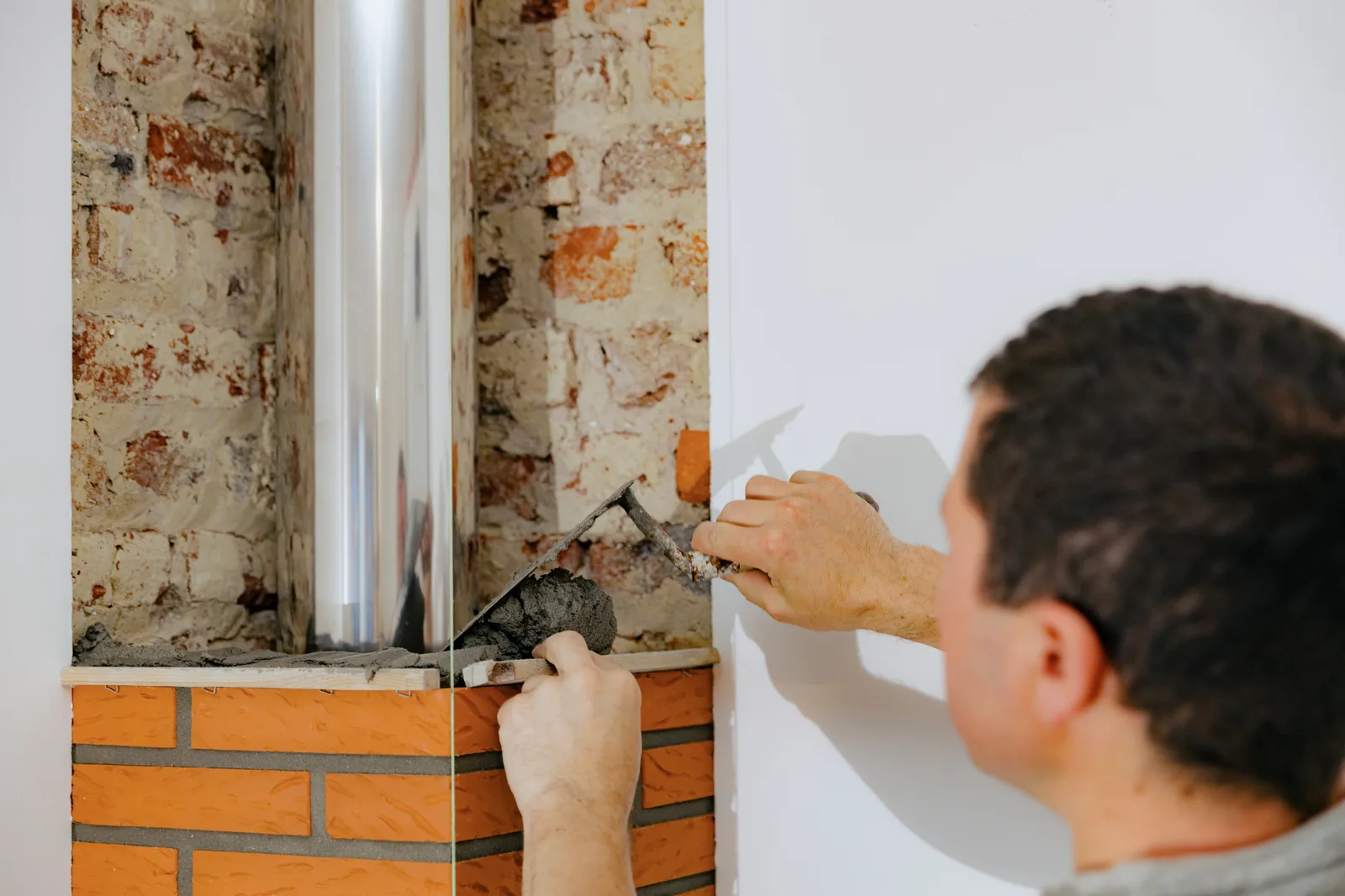
The chimney crown is a flat or gently sloped concrete slab constructed on top of the uppermost course of chimney brick or stone masonry. Its primary role is to serve as a sturdy roof over the masonry column, sealing the gaps between the exterior bricks and the vertical flue liner tiles.
A properly constructed masonry chimney crown features a distinct downward slope that sheds rainwater away from the flue opening. It should ideally overhang the exterior brick edges by at least two inches, complete with a drip edge groove that prevents cascading rainwater from running down the exterior masonry facade.
What Is a Chimney Cap?
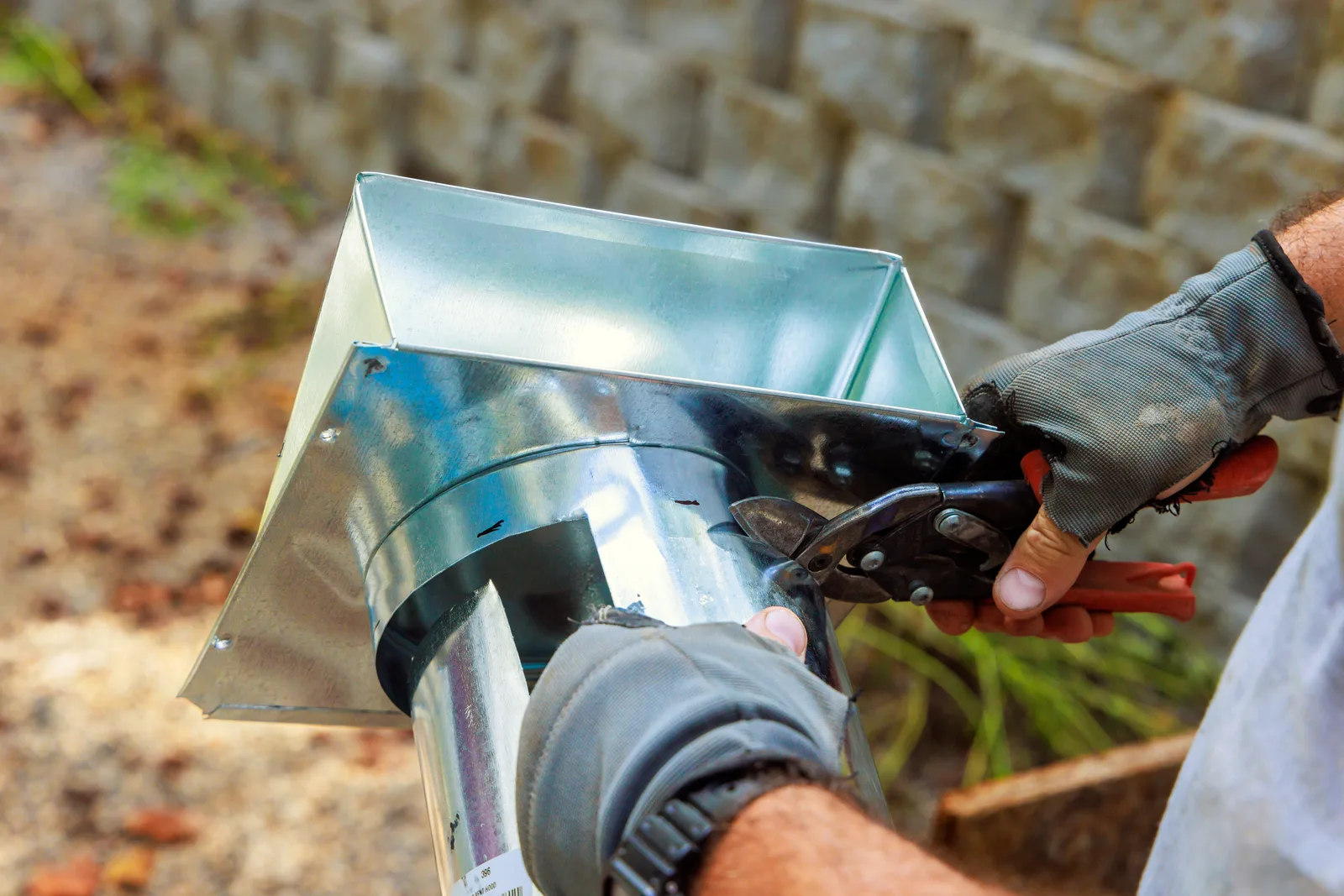
A chimney cap—also referred to as a spark arrestor or rain cap—is a metal protective hood mounted directly over the top of the open flue liner. Typically fabricated from stainless steel, copper, or galvanized steel, the cap consists of a solid metal lid positioned above open sides enclosed by wire mesh screening.
The chimney cap performs three vital defensive jobs:
- Rain Prevention: It stops torrential rainfall and hail from dropping straight down into the flue pipe and fireplace firebox.
- Wildlife Exclusion: The wire mesh keeps squirrels, birds, bats, and raccoons from entering your flue and building nests.
- Spark Arresting: The metal mesh stops airborne hot embers and burning cinders from drifting onto shingle roofs or dry grass lawns.
Why Both Are Critical to Preventing Water Leaks
Water is universally acknowledged as the greatest single enemy of residential masonry chimneys. When either the crown or the cap fails, moisture gains unobstructed entry to your home.
If you have a chimney cap but a cracked crown, rainwater soaks into the porous mortar and bricks below. When temperatures plummet during North Texas winter freezes, trapped water expands, breaking mortar bonds, cracking brick faces (spalling), and causing internal water stains across living room ceilings.
Conversely, if your crown is pristine but you lack a cap, rainwater pours straight down the open flue pipe. This results in rusted metal dampers, ruined fireplace firebrick, foul musty smells, and toxic mold growth in humid summer months.
Recognizing Signs of Crown and Cap Damage
Because these components sit high on your roofline, damage frequently goes unnoticed until major leaks develop inside your home. Look for these warning indicators:
- Water pooling in the firebox after heavy Texas downpours.
- Rust staining on the chimney exterior or a damper that is frozen in place with corrosion.
- Flakes of terracotta clay or brick chips collecting on your fireplace floor.
- Cracks, chunks of missing concrete, or visible plant growth on the chimney top.
According to maintenance guidelines published by the Chimney Safety Institute of America, inspecting crowns and caps should be a non-negotiable part of your annual heating maintenance.
Crown Restoration vs. Full Rebuilding
If damage is discovered early, hairline fractures on a chimney crown can be sealed with a flexible elastomeric crown sealant coating, creating a waterproof membrane that withstands thermal expansion. However, if a crown is crumbling or composed of inferior builder's mortar, a full concrete crown rebuild is the only lasting solution. Our team provides specialized chimney repair for all crown and cap configurations.
Schedule a Rooftop Inspection Today
Keep your chimney watertight and secure year-round. Along with regular flue cleaning, scheduling a comprehensive chimney inspection ensures your crown and cap are performing flawlessly. Contact Ashford Chimney Sweep Midlothian today for professional care.