The 3 Stages of Creosote: Identification, Risks, and Removal
Every time you burn wood in your fireplace, the combustion process produces smoke, water vapor, unburned wood particles, and condensed hydrocarbon gases. As these gases travel up the chimney flue and encounter cooler air, they condense along the liner walls into a dark, combustible byproduct known as creosote. However, not all creosote looks or behaves the same way.
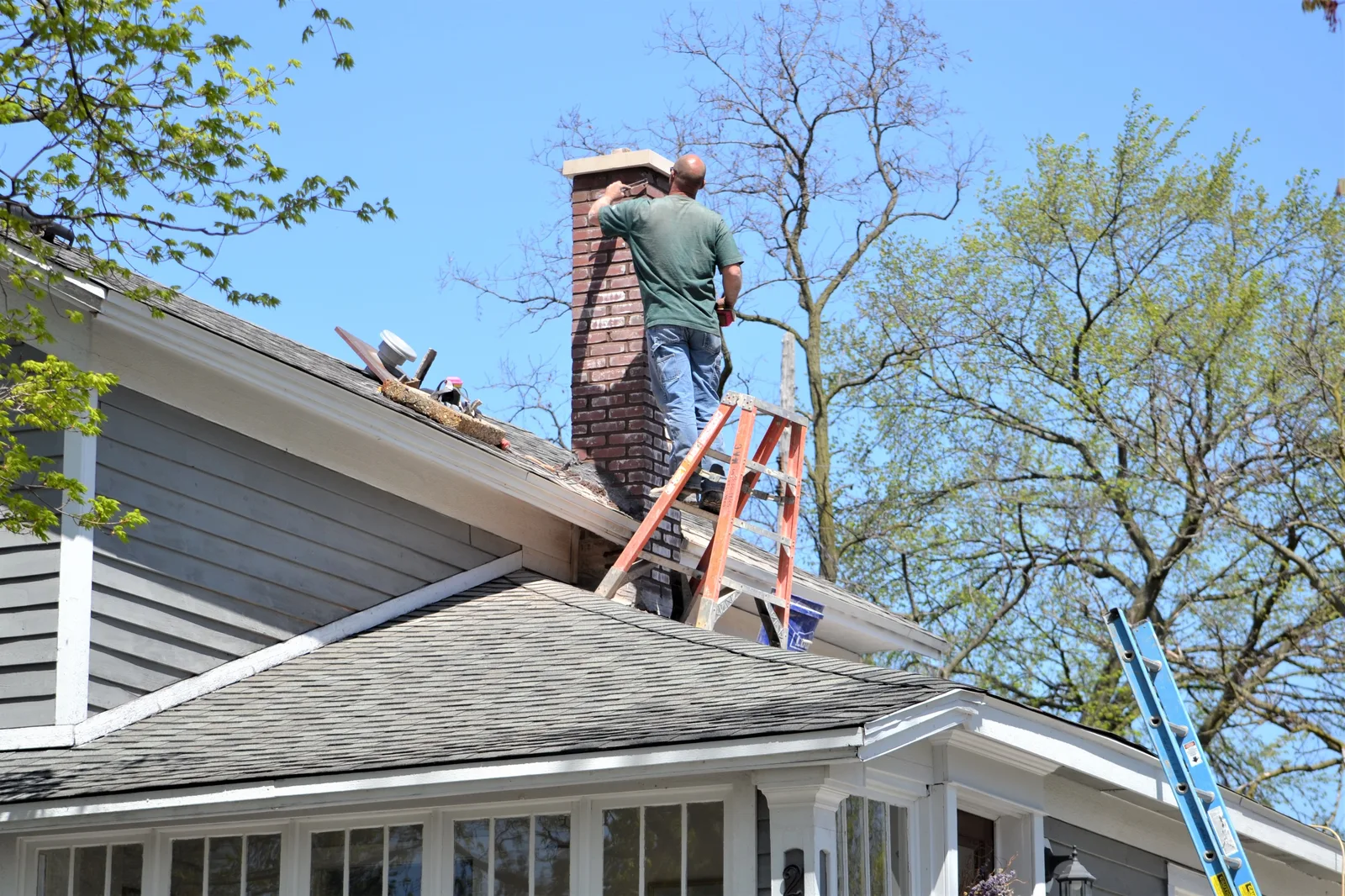
Understanding Creosote Progression
Creosote develops across three distinct stages, with each subsequent stage becoming denser, harder to remove, and significantly more hazardous. Understanding these stages empowers homeowners to address buildup before it creates catastrophic chimney fire conditions.
Stage 1: Flaky, Sooty Creosote
Stage 1 creosote appears as loose, dry, powdery soot or velvet-like black dust. It forms when there is relatively complete combustion, good air circulation, and a warm flue. Because Stage 1 deposits contain high air volume and low moisture density, they are the easiest type of creosote to remove.
A chimney professional using standard wire or stiff polypropylene brushes during routine chimney cleaning can easily sweep Stage 1 soot away from clay or stainless steel chimney walls, leaving the liner clean and safe for continued burning.
Stage 2: Crunchy, Tar-Flake Creosote
Stage 2 creosote occurs when air supply is restricted or when the chimney flue remains consistently cool. This commonly happens in fireplaces with glass doors kept tightly closed without sufficient air intake, or when burning wood with excessive moisture content.
Stage 2 deposits look like dark, shiny, hardened flakes or black popcorn-like crusted chips. Chemical analysis reveals concentrated tar and pitch content. While a standard sweep brush cannot easily dislodge Stage 2 creosote, specialized rotary power sweeping equipment with spinning chains or heavy whips can shatter and scrape away these brittle deposits safely.
Stage 3: Glazed Creosote (The Critical Fire Danger)
Stage 3 creosote, commonly referred to as glazed creosote, is the most dangerous condition a chimney can develop. It resembles a thick, slick, pitch-black layer of hardened lacquer or dried roadway tar poured across the flue interior.
Glazed creosote forms under extreme conditions: severely restricted draft airflow, oversized chimney flues, or the repeated burning of green, unseasoned firewood. Each time fires are lit, lighter volatile compounds burn off while heavier tars boil and re-harden, creating an impenetrable fuel crust. Stage 3 creosote has an extremely low ignition temperature. Once lit, it behaves like concentrated rocket fuel inside your chimney, burning at temperatures exceeding 2,100°F.
Why Stage 3 Creosote Cannot Be Brushed Away
Traditional manual brushing tools cannot budge Stage 3 glazed creosote. Striking it with excessive mechanical force risks cracking clay flue liners or puncturing metal pipes. Eliminating Stage 3 glaze requires advanced professional intervention:
- Chemical Treatments: Technicians apply specialized chemical modifier sprays or powders over several weeks. When heated by subsequent controlled fires, these chemicals break the chemical bonds within the tar, transforming the glaze into a brittle, sweepable Stage 2 crust.
- Rotary De-glazing Equipment: In severe cases, technicians deploy specialized high-torque cable-whip rotary machines calibrated to pulverize hardened glaze without damaging structural flue masonry.
- Flue Relining: If the glaze cannot be safely removed or if previous chimney fires cracked the underlying clay flue tiles, professional chimney repair involving relining the flue with a certified stainless steel sleeve is required.
Standards and Prevention Recommended by Fire Safety Experts
According to fire protection literature from the National Fire Protection Association, regular evaluations are critical to preventing the silent buildup of hazardous creosote glazes. Most homeowners cannot see beyond the throat damper, making internal camera inspections the gold standard for detecting early-stage glaze accumulation.
How to Prevent Creosote from Advancing
Maintaining a safe chimney involves smart combustion habits:
- Burn Only Well-Seasoned Wood: Test your firewood with a moisture meter to ensure moisture levels remain below 20%.
- Maintain Ample Airflow: Keep the damper wide open during burning and avoid restricting draft air until the fire has completely burned down to coals.
- Avoid Smoldering Burns: Build smaller, hotter fires rather than large, sluggish, smoking logs.
- Schedule Annual Checkups: Do not let seasons pass without having a technician evaluate your system. Schedule an inspection before starting your first autumn fire.
Protect Your Hearth with Ashford
At Ashford Chimney Sweep Midlothian, our technicians possess the specialized tools and certified training necessary to handle all creosote stages safely. Contact us today to restore your chimney's performance and ensure your family stays safe this winter.