Chimney Inspection in Midlothian, TX
You cannot see most of what happens inside a chimney from the living room. A professional chimney inspection from Ashford Chimney Sweep Midlothian gives you a clearer picture of the flue, liner, masonry, cap, and firebox, so you know whether your fireplace is ready for use or needs attention first.
Call (469) 537-4529 or schedule an inspection online.
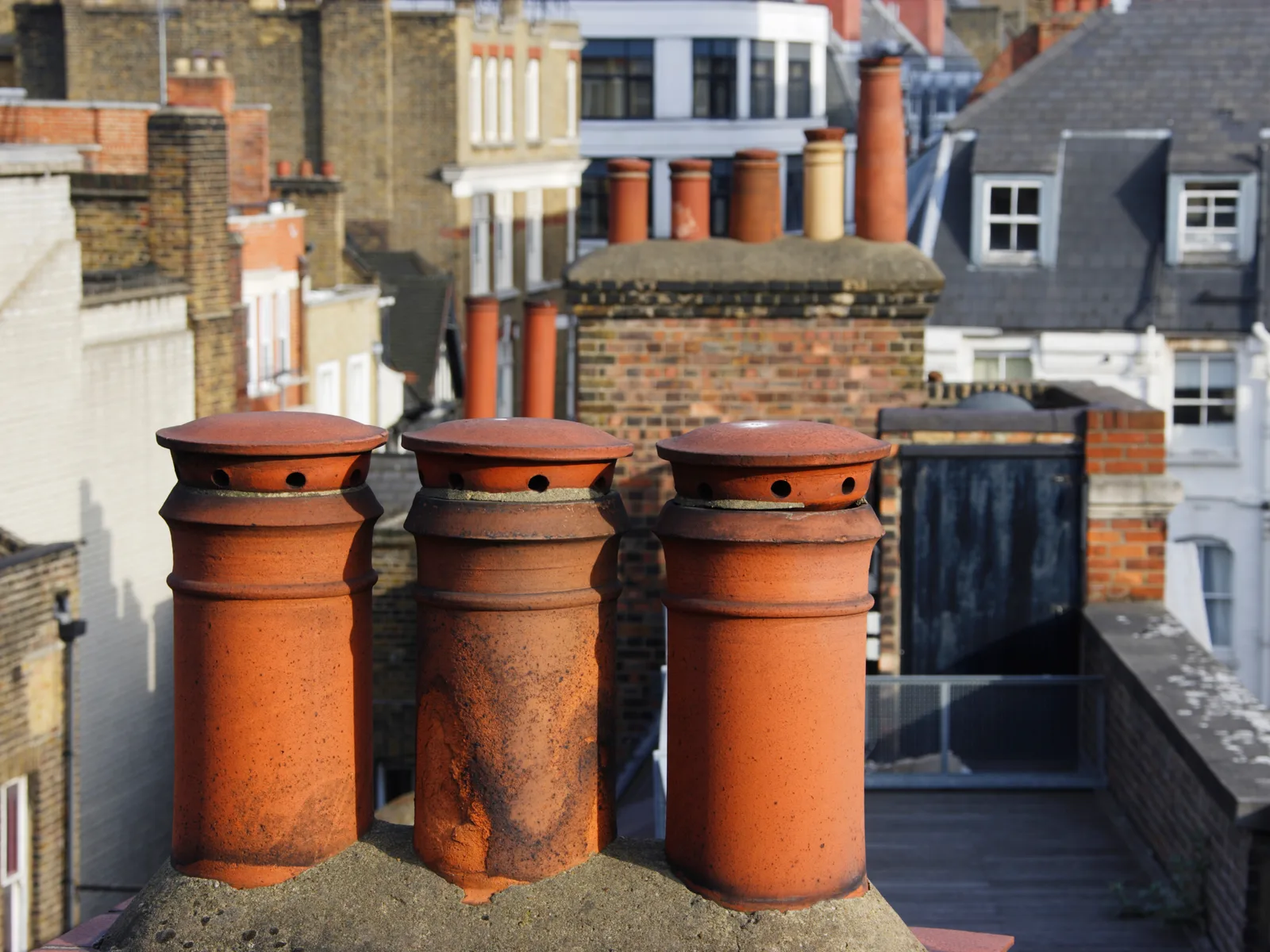
Schedule a chimney inspection in Midlothian, TX. Ashford checks your flue, liner, cap, and masonry and explains what we find. Call today.
What Is a Chimney Inspection?
A chimney inspection is a structured check of the chimney system, from the firebox up to the top of the stack. The goal is to identify damage, blockages, and conditions that could affect safety or performance. Unlike a cleaning, which focuses on removing buildup, an inspection focuses on evaluating condition and reporting what is found.
Chimney inspections are commonly described in levels, from a basic visual check of accessible areas to more detailed evaluations that may use specialized equipment to view inside the flue. The level that makes sense for you depends on your situation, such as routine annual maintenance, a recent change to your fireplace or heating appliance, a storm, or a home purchase.
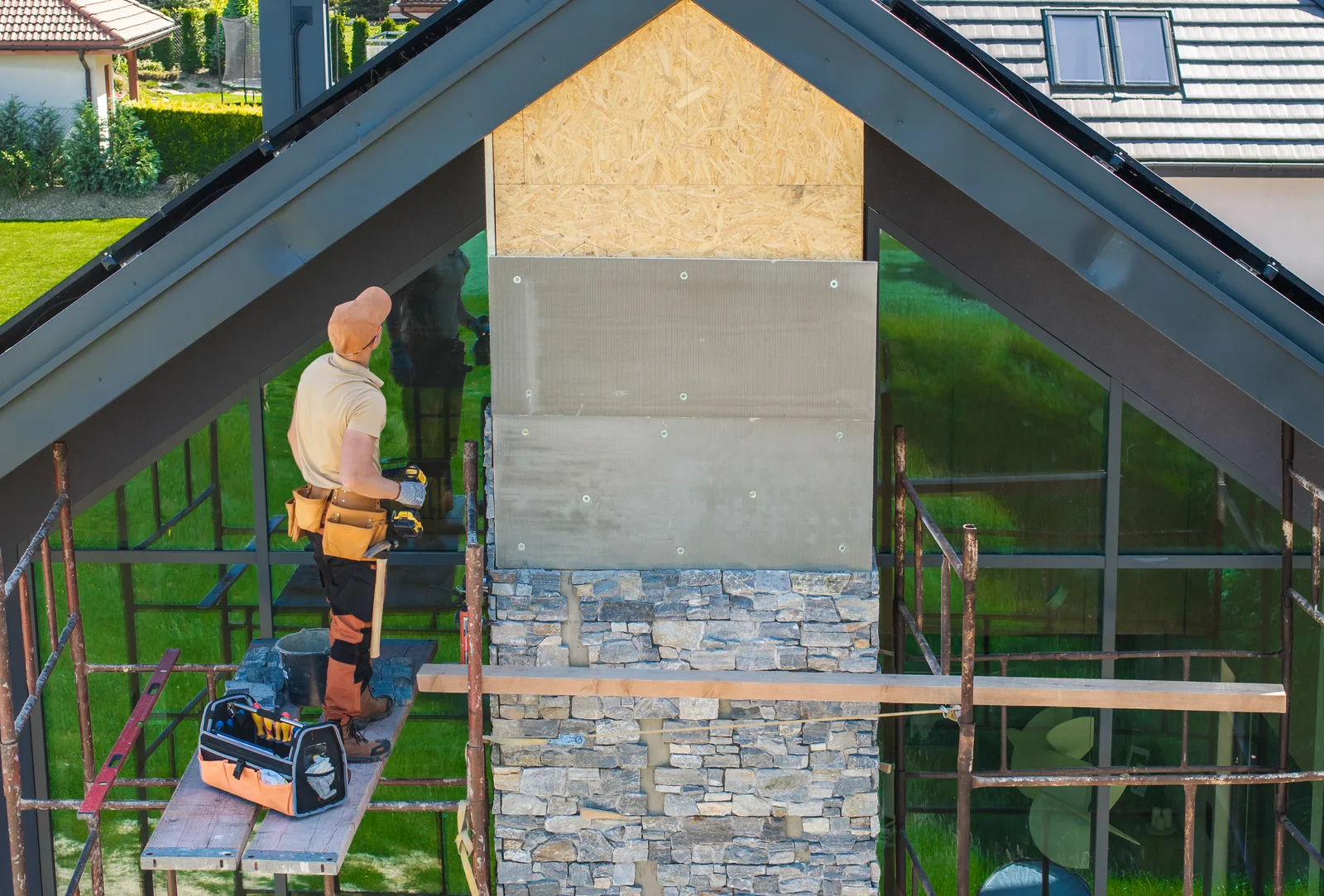
What We Look at During an Inspection
While the details vary by home, a thorough inspection generally covers the following areas.
We check the firebox walls and floor for cracks or deterioration and make sure the damper opens, closes, and seals as it should. A damper that sticks or no longer fits properly can affect draft and let conditioned air escape.
The liner is the interior surface that contains combustion gases and protects the surrounding structure. We look for cracks, gaps, deterioration, and signs of heavy buildup. Liner problems can be hard to spot without a proper look inside the flue.
Just above the firebox, the smoke chamber guides smoke into the flue. Rough surfaces, damaged mortar, or buildup here can affect how well the system works.
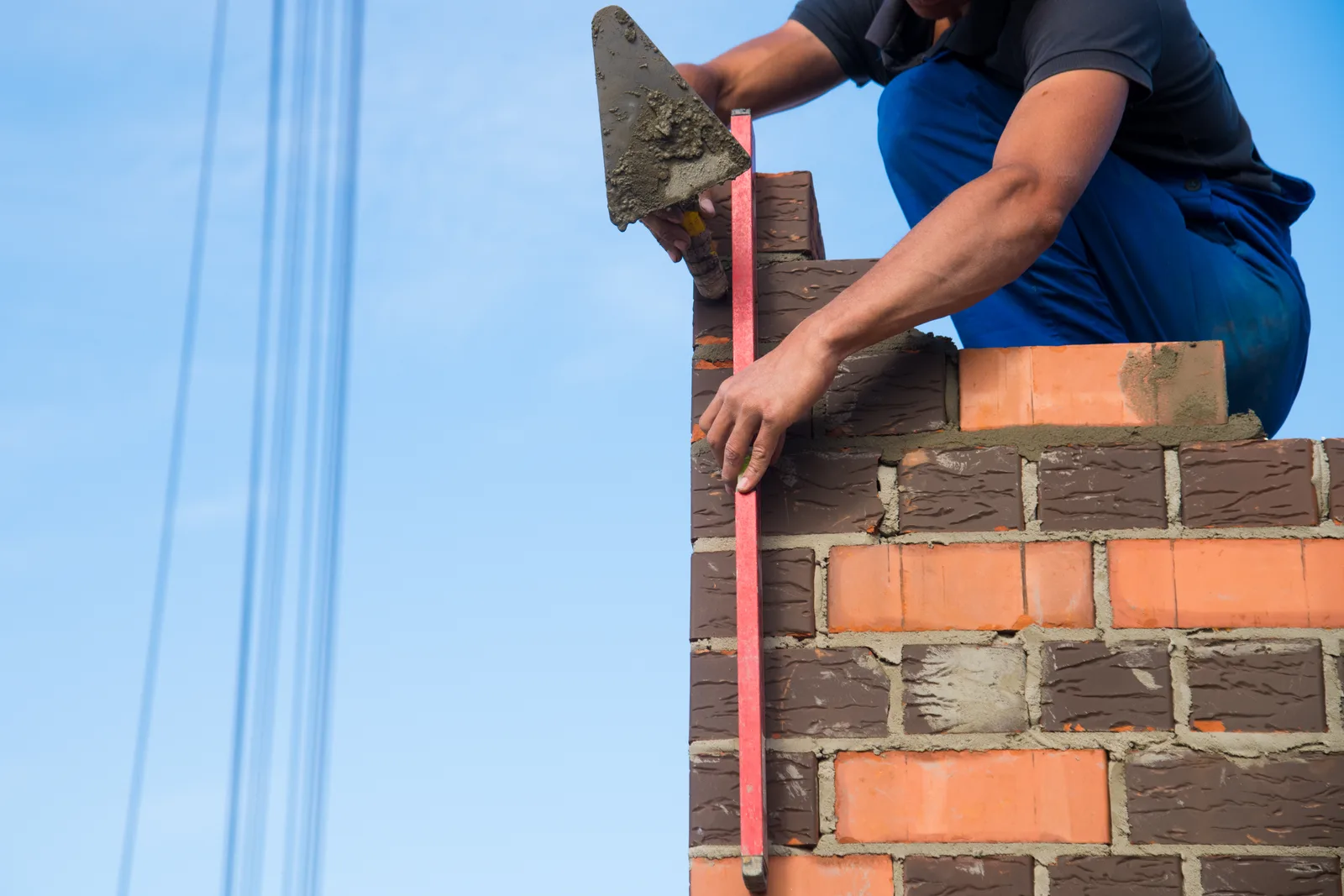
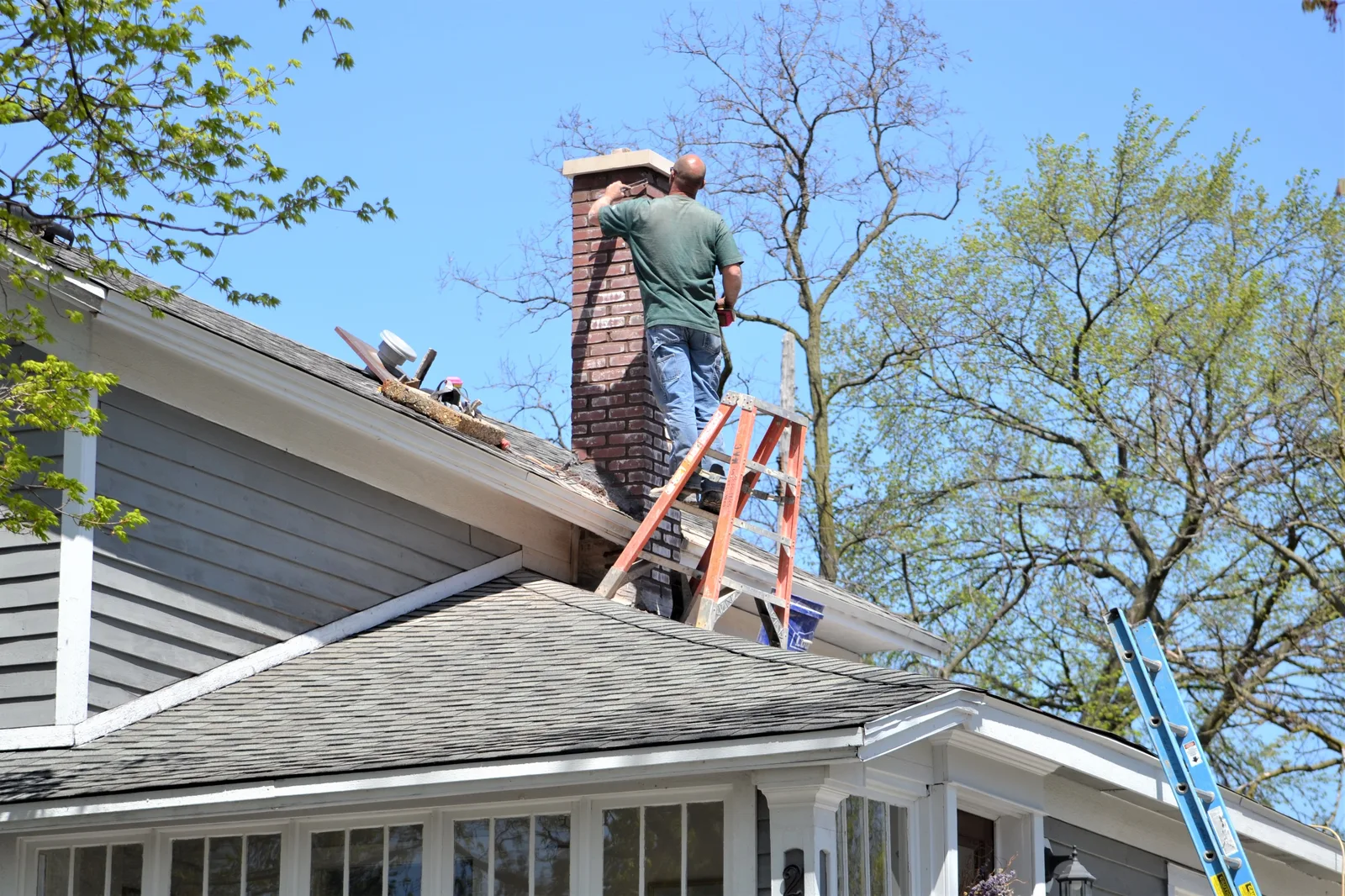
On the outside, we look at bricks, mortar joints, and the overall condition of the stack. Crumbling mortar, white staining, and leaning or loose bricks can all indicate moisture problems.
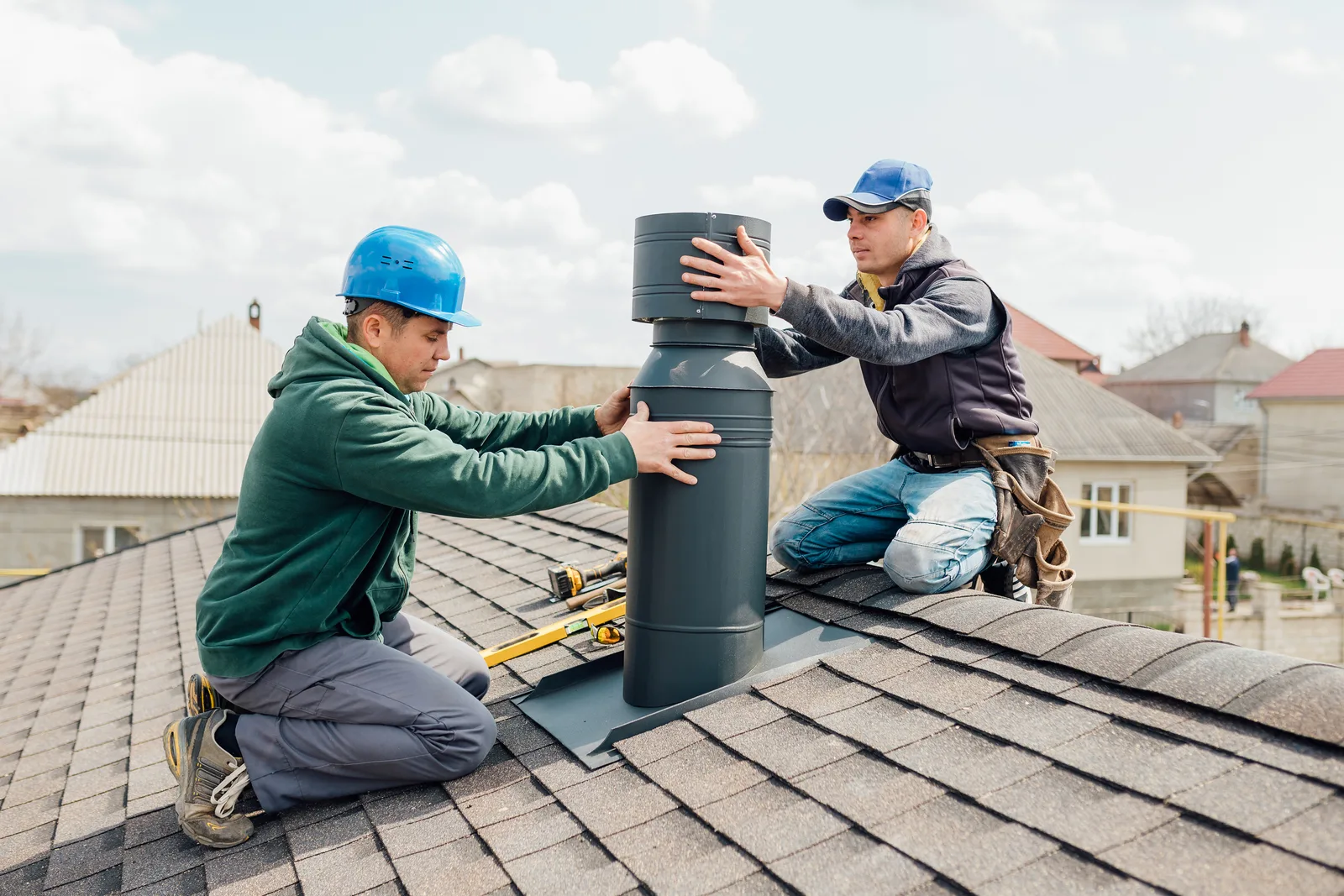
The cap keeps rain, animals, and debris out of the flue, and the crown is the sloped surface at the top of the chimney that sheds water. Cracks in the crown or a damaged, rusted, or missing cap can let water and pests in.
Flashing seals the joint where the chimney meets the roof. If it lifts or corrodes, water can find its way into the attic or walls.
When Should You Schedule a Chimney Inspection?
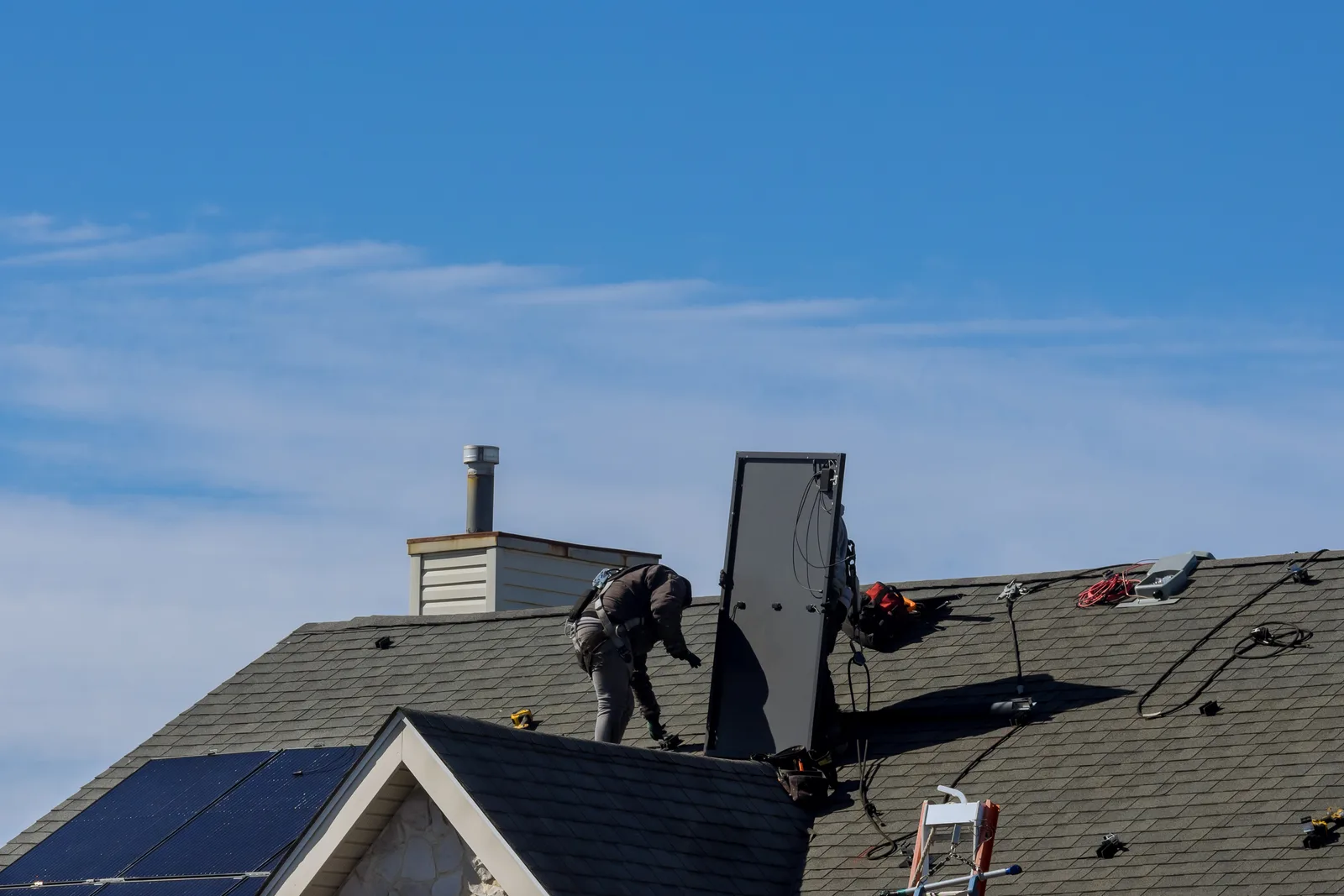
The Chimney Safety Institute of America and other industry sources generally advise that chimneys be inspected at least once a year. Beyond the annual check, consider scheduling an inspection in these situations:
Inspection vs. Chimney Cleaning
Inspection vs. Chimney Cleaning
People often ask whether they need an inspection, a cleaning, or both. Think of it this way. Chimney cleaning removes soot, creosote, and debris. An inspection assesses condition and identifies problems. They work well together, since a clean flue is easier to evaluate and an inspection can reveal whether cleaning alone is enough. If you are unsure which one you need, tell us what you have noticed and we will recommend the right starting point.
What Happens After the Inspection?
Once we have finished, we go over our findings with you in plain terms. Depending on what we found, the outcome might be one of the following:

Inspections for Home Buyers and Sellers
Inspections for Home Buyers and Sellers
A fireplace is a selling point, but it can also hide expensive surprises. If you are buying a Midlothian home, a chimney inspection before closing helps you understand the condition of the system and plan for any repairs. A general home inspection usually includes only a quick look at the fireplace, and it may not examine the inside of the flue. Sellers can also benefit, since knowing the condition in advance lets you address problems on your own schedule instead of during a negotiation.
Warning Signs You Should Not Ignore
Some symptoms call for prompt attention rather than waiting for your next scheduled visit:
If you suspect a chimney fire or smell gas, stop using the appliance and follow appropriate safety steps before calling for service.
How to Prepare for Your Inspection
How to Prepare for Your Inspection
Preparation is simple. Let the fireplace cool completely, clear the area around the hearth, and make a note of anything unusual you have seen or smelled. If you have records of past cleanings or repairs, keep them handy. Make sure we can reach the fireplace and have safe access to the roof or exterior where needed.
Common Questions About Chimney Inspections in Midlothian
How long does a chimney inspection take?
The time depends on the level of inspection, the type of chimney, and access. We will give you an estimate when you book.
Do I need an inspection if I only use my fireplace occasionally?
Often yes. Damage from weather, moisture, and animals can occur whether or not you burn fires, and a fireplace used rarely can still develop problems.
Will you inspect gas fireplaces and inserts?
Yes. We service both traditional wood-burning hearths and direct-vent or vented gas fireplaces, ensuring burners, pilot assemblies, and venting flues remain clean and unobstructed.
What does a chimney inspection cost?
The price depends on the inspection level and the chimney's accessibility. Contact us for an estimate.
Schedule Your Chimney Inspection in Midlothian
Whether it is part of your annual routine, a precaution after a storm, or a step in a home sale, an inspection gives you the facts you need. Ashford Chimney Sweep Midlothian will check your chimney, explain what we find, and help you decide what comes next. Schedule an inspection or call (469) 537-4529 today.